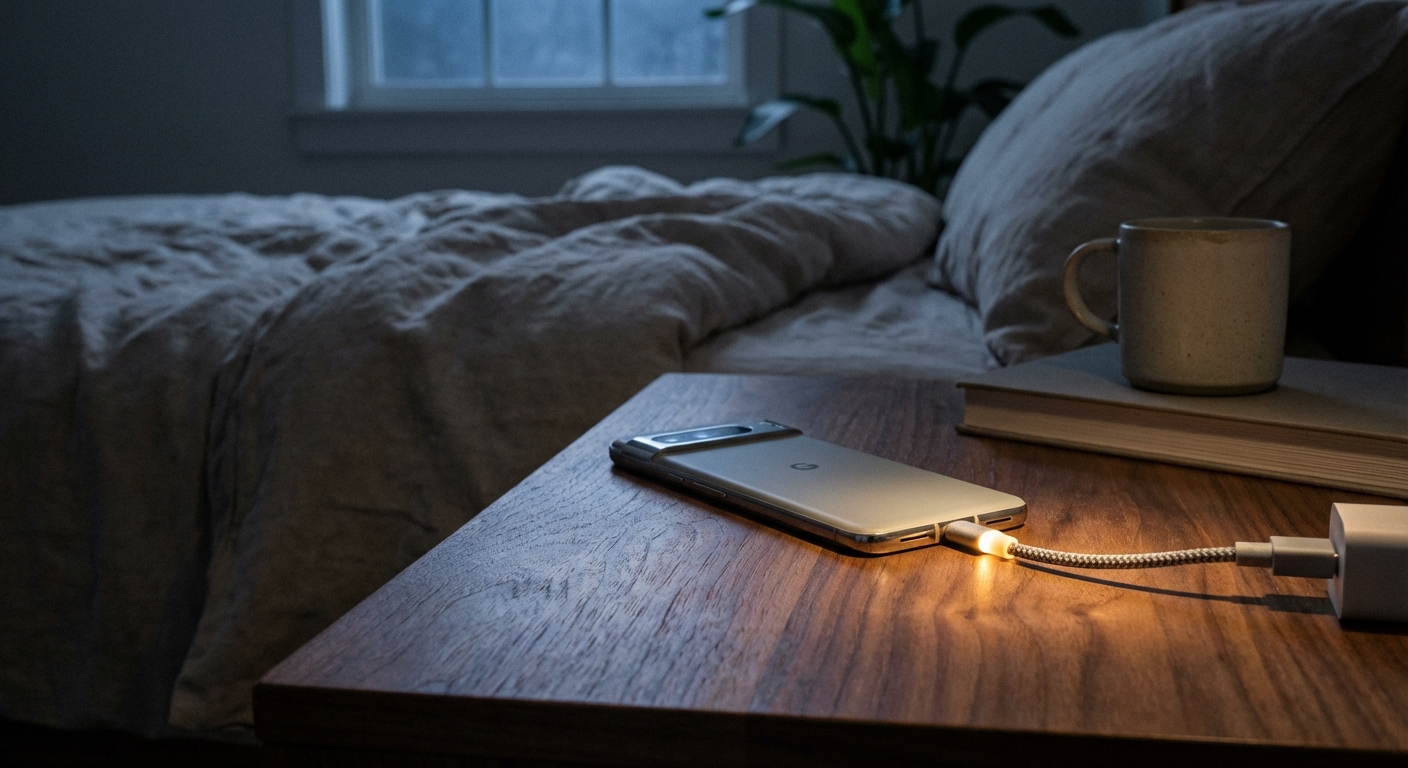
Verdict: Mostly False. Charging your phone overnight won’t significantly damage your battery. Modern smartphones have built-in protections that stop charging once the battery reaches 100%, and the impact on long-term battery health is minimal for most users.
This is one of the most persistent tech myths, and it’s based on real concerns that were more relevant with older battery technology. But if you’ve been unplugging your phone before bed or setting alarms to catch it at 80%, you can probably stop. Here’s what’s actually happening.
Why the Myth Exists
The concern about overnight charging comes from real battery chemistry. Lithium-ion batteries, which power virtually all modern smartphones, do experience stress when kept at 100% charge for extended periods. Holding a battery at its maximum voltage accelerates chemical degradation and can reduce its overall lifespan.
In the early days of smartphones, this was a legitimate concern. Devices would reach 100% and continue receiving charge, creating heat and stress. But manufacturers recognized this problem years ago and implemented solutions.
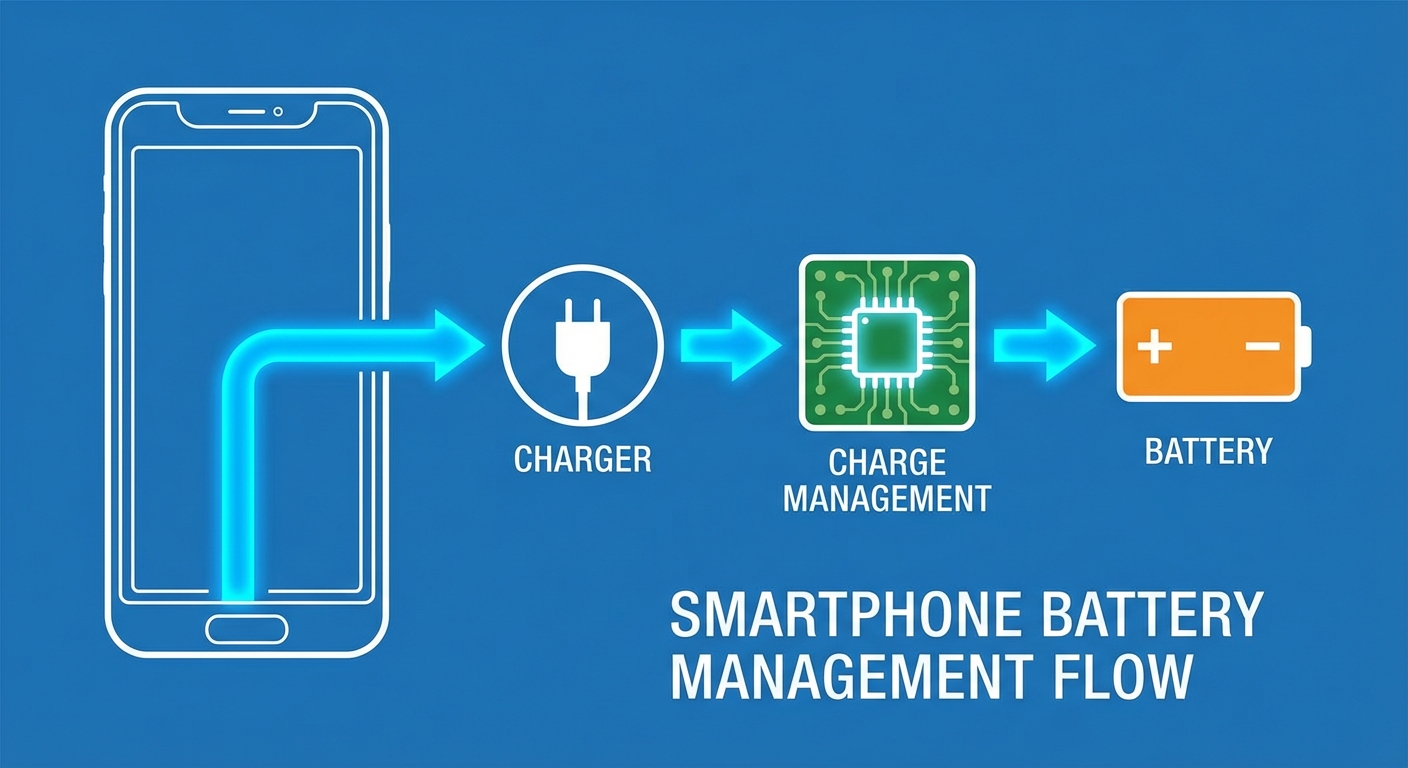
Modern smartphones use sophisticated battery management systems that effectively solve the overnight charging problem. Once your phone reaches 100%, the charging circuit stops delivering power to the battery. The phone runs directly from the charger instead, leaving the battery at rest. If the battery drops slightly (say, to 99%), a small amount of charging occurs to top it back up, but your battery isn’t continuously absorbing electricity all night.
What Phone Manufacturers Have Done
Apple, Samsung, Google, and other manufacturers have implemented additional features specifically designed to protect battery health during overnight charging.
Optimized charging on iPhone: iOS learns your daily charging routine and waits to finish charging past 80% until you need to use your phone. If you typically wake up at 7 AM, your phone might stay at 80% until around 6 AM, then complete charging. This reduces time spent at 100%.
Adaptive charging on Android: Google’s Pixel phones and many Android devices offer similar features. The phone learns when you typically unplug it and adjusts charging speed to reach 100% just before that time.
Charging limits: Some phones, particularly Samsung devices, let you set a maximum charge level (like 85%) so the battery never reaches full capacity. This is primarily useful for people who want to maximize long-term battery lifespan and don’t need full daily capacity.
These features exist because manufacturers know people charge overnight and have engineered their devices to handle it safely.
The Real Numbers
How much does overnight charging actually affect battery health? The honest answer: not much for most users, and probably less than other factors you’re not thinking about.
Battery lifespan is typically measured in “charge cycles,” where one cycle equals using 100% of your battery’s capacity (whether all at once or across multiple partial charges). A typical smartphone battery is designed to retain about 80% of its original capacity after 500 complete charge cycles.
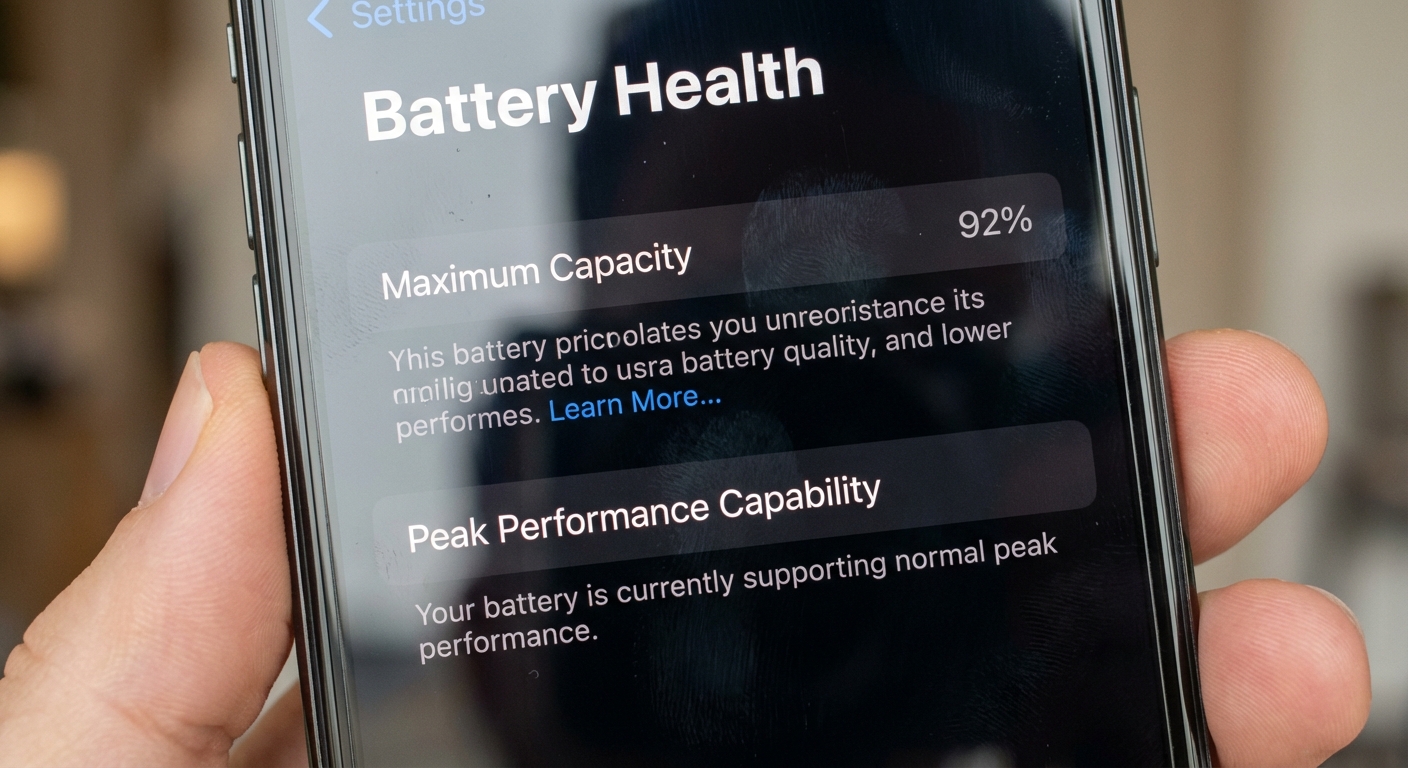
The difference between someone who charges overnight versus someone who unplugs at 80% might amount to a few percentage points of battery health over two to three years. For most people, that difference is negligible compared to other factors: heat exposure, using your phone while charging, fast charging frequency, and simply how often you use your phone.
If you keep your phone for five or more years, optimizing charging habits might extend useful battery life somewhat. If you upgrade every two to three years, which most people do, overnight charging is unlikely to cause any noticeable degradation before you replace the device.
What Actually Damages Phone Batteries
If you’re concerned about battery health, these factors matter more than overnight charging:
Heat. High temperatures are the enemy of lithium-ion batteries. Leaving your phone in a hot car, using it intensively while charging, or keeping it in direct sunlight causes more damage than overnight charging ever will. Heat accelerates the chemical reactions that degrade battery capacity.
Extreme discharge. Regularly letting your phone die completely (0%) stresses the battery more than keeping it topped up. Modern phones shut down before truly reaching zero to protect the battery, but frequently hitting that threshold isn’t ideal.
Fast charging. Rapid charging generates more heat than slow charging. Using fast charging occasionally is fine, but relying on it exclusively may contribute slightly more wear than standard charging. For overnight charging, your phone typically uses slower charging anyway since there’s no rush.
Age. Batteries degrade over time regardless of how carefully you treat them. A three-year-old battery will have less capacity than a new one even with perfect charging habits.
When You Might Want to Be Careful
For most people, charging overnight is completely fine. But there are scenarios where being more deliberate about charging makes sense.
If you plan to keep your phone for four or more years, using features like Apple’s Optimized Charging or setting a charge limit on Android can help preserve capacity for the long haul.
If you live in a hot climate or your phone gets warm during charging, ensuring good ventilation (not under a pillow or in a case that traps heat) is smart regardless of when you charge.
If your phone’s battery is already degraded and you’re trying to squeeze more life out of it before replacing the device, limiting charge to 80% and avoiding full discharges can help slow further decline.
For more on why batteries degrade over time, see our explainer on why phone batteries degrade.
Summary
Charging your phone overnight is not bad for your battery in any meaningful way for most users. Modern smartphones include multiple layers of protection that prevent the overcharging concerns that made this advice relevant with older technology.
The things that actually matter for battery health are avoiding heat, not regularly draining to zero, and accepting that batteries degrade naturally over time. If those factors are under control, when you charge is much less important than how you use and care for your phone overall.
Sleep easy. Your phone can too.