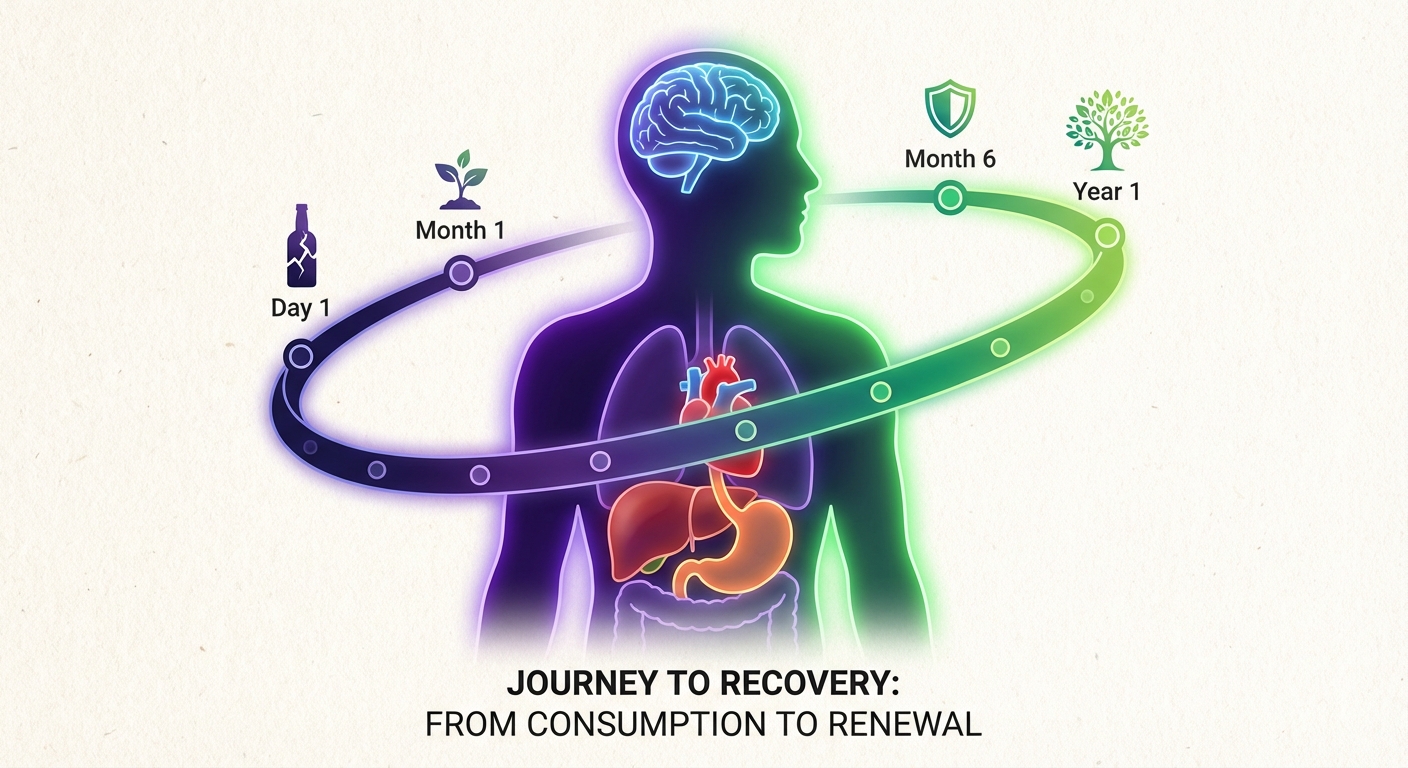
When you stop drinking alcohol, your body starts repairing itself almost immediately. Within the first 24 hours, your liver begins processing out the remaining alcohol and your blood sugar starts stabilizing. By the end of the first week, you’ll likely notice better sleep quality and improved hydration. After a month, your liver function shows measurable improvement, and after a year, your risk of heart disease, stroke, and certain cancers drops significantly.
The timeline varies based on how much and how long you’ve been drinking, but the human body is remarkably good at healing when you remove the toxin. Some changes happen faster than you’d expect, while others take months to fully manifest. Understanding what to expect at each stage helps people push through the initial discomfort and appreciate the genuine improvements happening beneath the surface.
Important note: If you’re a heavy drinker, stopping suddenly can be medically dangerous. Alcohol withdrawal can cause seizures and other serious complications in severe cases. If you drink daily or heavily, consult a doctor before quitting abruptly.
The First 24 to 72 Hours
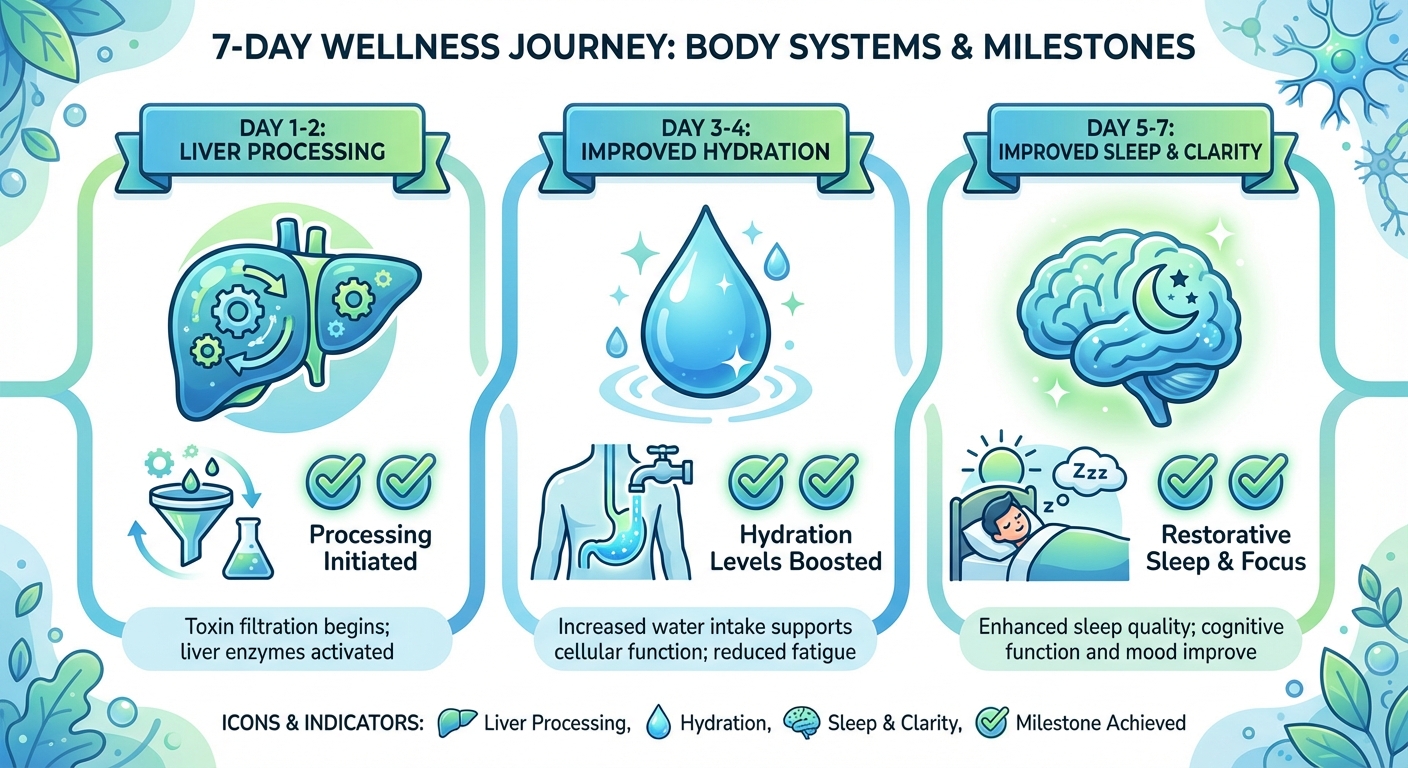
The initial period after your last drink is when your body works hardest to eliminate alcohol from your system. Within 8 to 12 hours, your blood alcohol level drops to zero, and your liver shifts from emergency processing mode to normal function. This is also when withdrawal symptoms can appear for regular drinkers, ranging from mild anxiety and shakiness to more severe symptoms in heavy drinkers.
Your body starts rehydrating during this phase. Alcohol is a diuretic, meaning it makes you urinate more than the liquid you’re taking in, leaving you chronically dehydrated even if you drink water alongside alcohol. Proper hydration begins restoring normal function to your kidneys, skin, and digestive system.
Sleep during the first few nights is often disrupted, even though alcohol-induced sleep is poor quality. Your brain has adapted to the sedative effects of alcohol, and without it, you may experience insomnia, vivid dreams, or restless nights. This typically improves significantly after the first week as your brain chemistry begins recalibrating.
One Week to One Month
After the initial adjustment period, you’ll notice more tangible improvements. Most people report significantly better sleep by the end of week one. Without alcohol suppressing REM sleep, you cycle through sleep stages normally, waking up more rested even if you sleep the same number of hours. This improved sleep quality cascades into better energy levels, mood, and cognitive function during the day.
Your skin often shows visible improvement during this period. Alcohol inflames your skin and dilates blood vessels, contributing to redness, puffiness, and dullness. After two to three weeks without drinking, many people notice clearer, more hydrated skin with reduced puffiness around the eyes. These cosmetic changes reflect real improvements in hydration and reduced inflammation throughout your body.
Digestive issues often resolve during the first month. Alcohol irritates the stomach lining, contributes to acid reflux, and disrupts the balance of gut bacteria. Without it, your digestive system calms down, nutrient absorption improves, and many people find that bloating, heartburn, and irregular bowel movements normalize. Your appetite may also shift as your body stops craving the empty calories from alcohol.
One to Three Months
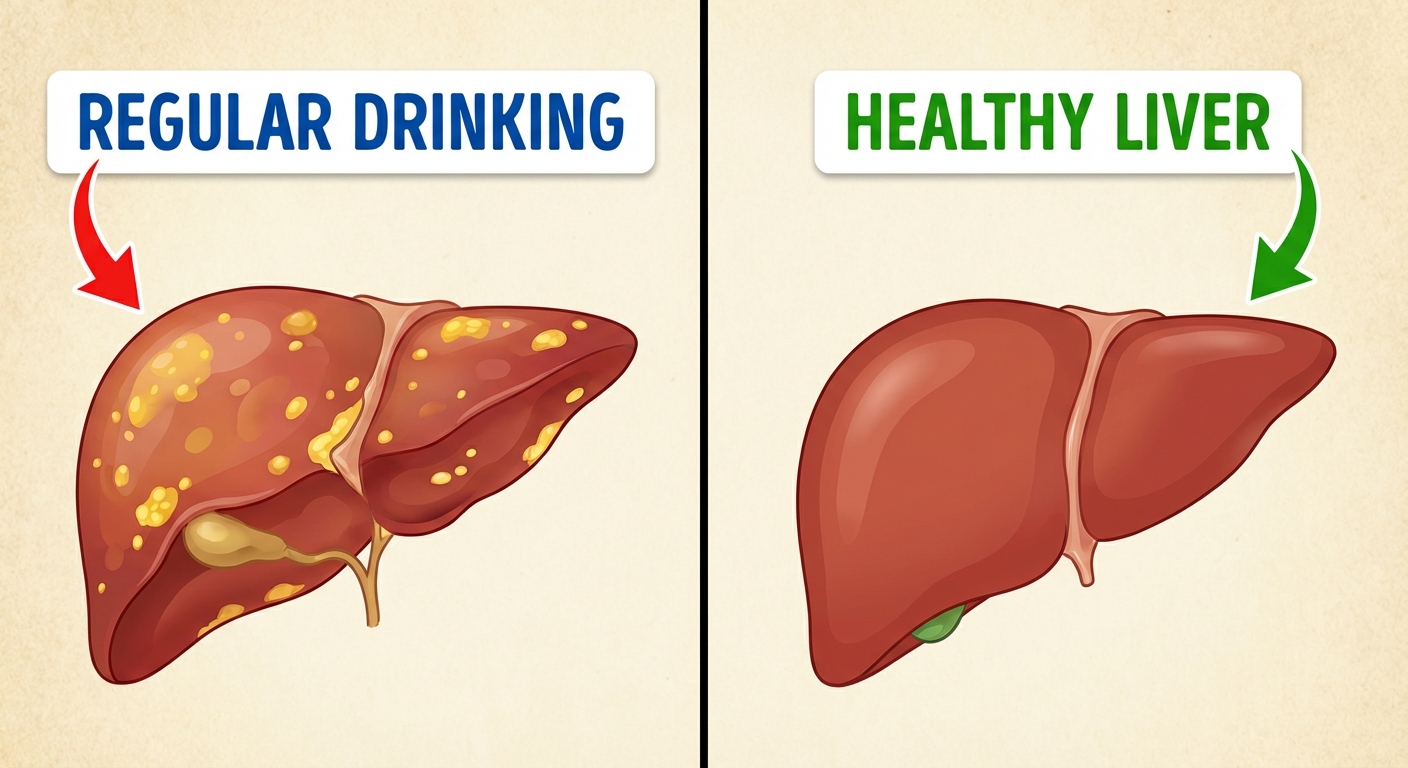
This is when deeper healing becomes measurable. Your liver, which bears the brunt of alcohol processing, shows significant recovery during this period. Liver enzymes that were elevated from regular drinking typically return to normal ranges. For people without advanced liver damage, the organ can regenerate remarkably well once the constant assault of alcohol stops.
Blood pressure often decreases noticeably after a month or two. Alcohol raises blood pressure through multiple mechanisms, and removing it allows your cardiovascular system to function more efficiently. This reduction in blood pressure decreases strain on your heart and lowers your risk of heart disease and stroke over time.
Mental clarity improvements become more pronounced as your brain chemistry stabilizes. The fog that many regular drinkers don’t even realize they have begins lifting. Memory, concentration, and emotional regulation all benefit as your brain stops constantly adapting to alcohol’s presence. Many people report feeling sharper and more emotionally stable than they have in years.
Six Months to One Year
By six months, many of the improvements have stabilized into your new baseline. Your immune system functions better, meaning you may get sick less often or recover faster when you do. Alcohol suppresses immune function in ways that aren’t immediately obvious until you stop and notice you’re not catching every cold that goes around.
Weight often stabilizes or decreases during this period. Alcohol contains significant calories (about 150 per glass of wine, 100 per beer, and more for mixed drinks), and removing it from your diet creates a caloric deficit. Additionally, without alcohol lowering your inhibitions around food, many people make better dietary choices overall. The combined effect frequently leads to gradual, sustainable weight loss.
Your risk profile for serious diseases shifts meaningfully after a year. Research published in The Lancet and other major medical journals confirms that cancer risk, particularly for mouth, throat, esophageal, liver, and breast cancers, decreases the longer you abstain. Cardiovascular risk also continues declining. While some damage from years of drinking may be permanent, your body’s trajectory changes direction when you stop.
What About Moderate Drinkers?
If you only drink occasionally or lightly, the changes will be less dramatic but still present. You’ll likely notice improved sleep quality, slightly better hydration, and possibly some weight stabilization. The most significant benefits of quitting apply to regular drinkers, but even moderate consumption affects your body in measurable ways, and removing it still produces positive changes.
The old notion that moderate drinking is good for heart health has been largely debunked by recent research. Studies that showed benefits often had methodological flaws, and current consensus among health researchers is that no amount of alcohol is truly beneficial. This doesn’t mean occasional drinking is catastrophically harmful, but it does mean you’re not giving anything up health-wise by quitting.
Summary
When you stop drinking alcohol, your body begins healing within hours and continues improving for months afterward. Sleep quality, liver function, skin appearance, digestive health, blood pressure, mental clarity, immune function, and disease risk all improve on a predictable timeline. The first few days are often the hardest physically and emotionally, but the benefits compound over time. If you’re considering quitting or cutting back, understanding these changes can provide motivation during difficult moments and appreciation for what your body is accomplishing beneath the surface.